The first cold nights of the year often reveal the same weak points: tired door sweeps, gaps around utilities, loose vent covers, clutter against the foundation and small moisture problems that went unnoticed in summer. Fall pest-proofing is not about making a house perfect. It is about removing the easiest ways pests get inside before they start using your walls, garage or basement as winter shelter.
Why fall prevention matters in Canada
Across much of Canada, rodent and insect pressure changes quickly once night temperatures drop. Mice look for warm harbourage, spiders and occasional invaders move toward sheltered edges, and wasps may become more noticeable around rooflines and exterior gaps before colonies decline for the season.
A practical inspection works best before the first deep freeze. You can still see exterior gaps, leaves have not fully hidden every foundation edge, and contractors are easier to schedule before winter emergency calls begin.
- Prioritize openings at ground level, garage edges, attached decks and exterior utility penetrations
- Look for gaps that lead indoors or into insulated voids, not every cosmetic crack in masonry
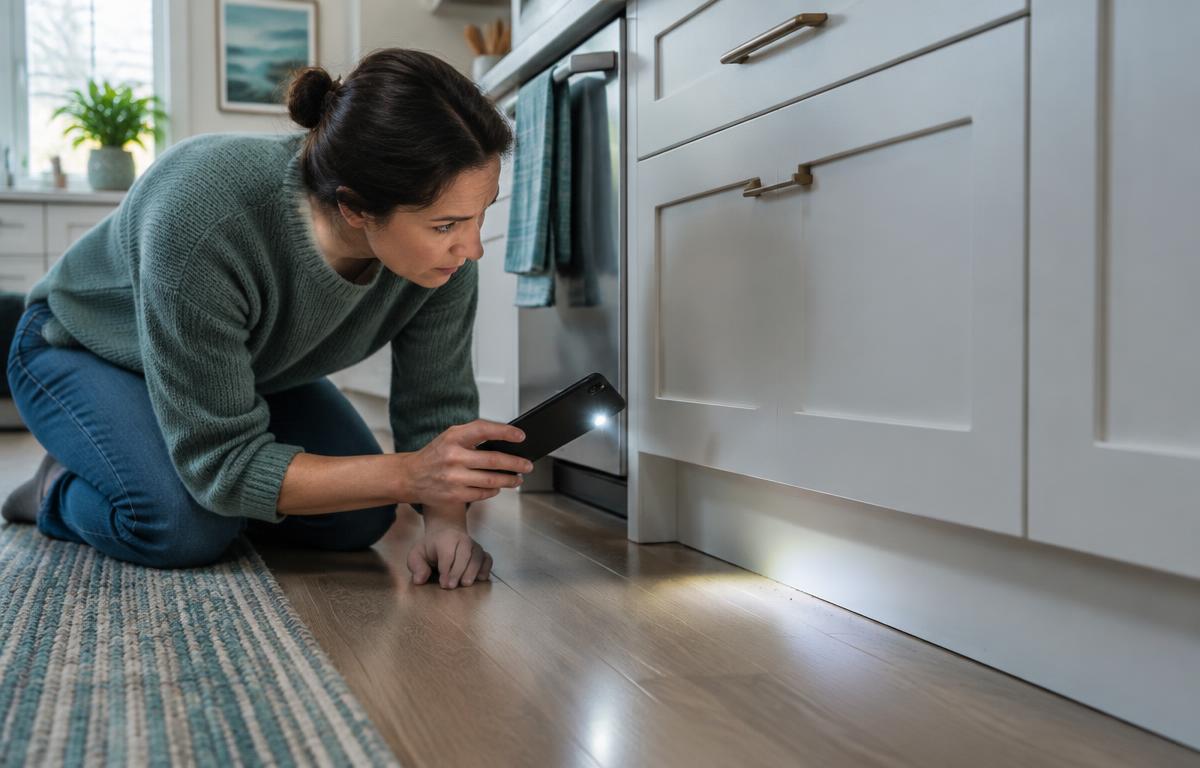
- Document suspicious areas with photos so repairs or a professional inspection can be compared later
Start where utilities enter the house
Walk the exterior slowly and look where cables, pipes, vents, hose bibs and air-conditioning lines pass through siding, brick or foundation. These areas are common because the opening was cut for the utility first and sealed later. Sealant can shrink, foam can degrade and covers can loosen after freeze-thaw cycles.
From the inside, check the same areas where practical. A gap that looks small outside may open into a larger unfinished space behind a cabinet, laundry wall or basement ceiling. If you see daylight, feel a draft or find droppings nearby, treat the area as a priority.
- Dryer vents, bathroom vents and kitchen exhaust vents should close properly and have intact covers
- Gaps around gas, water and electrical lines should be sealed with materials suited to the opening
- Damaged vent screens, loose exterior trim and missing escutcheon plates are worth noting for repair
Check doors, windows, garages and the roofline
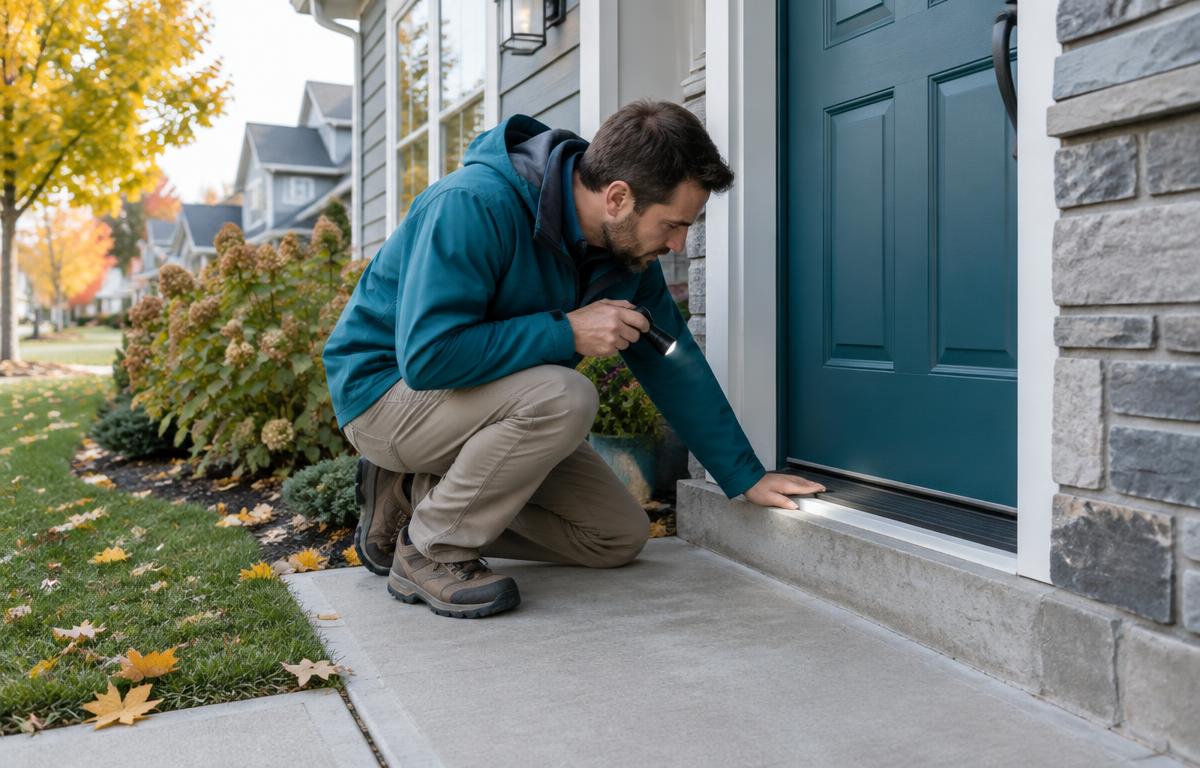
Exterior doors should close cleanly without visible daylight under the sweep or at the corners. Garage doors deserve special attention because weather seals compress over time and the bottom corners are common entry points for mice. If the garage connects to the home, inspect the interior door as well.
Windows and screens matter even when they are rarely opened. Torn screens and loose frames allow insects in during warm fall afternoons, while poorly sealed basement windows can leave sheltered edges that rodents explore. At the roofline, look for damaged soffits, missing vent covers, overhanging branches and wildlife access points.
Make the outside less inviting
Most homeowners focus on sealing holes but overlook conditions that attract pests to the foundation in the first place. Dense vegetation, stacked firewood, cardboard, leaf piles, spilled bird seed and open garbage give pests cover and food close to the home. Once they are living against the wall, a small gap becomes much more important.
Moisture is another signal. Damp basements, leaking hose bibs, clogged eavestroughs and poor grading can support insects and make structural wood more attractive to carpenter ants or other moisture-associated pests. Prevention improves when sanitation, moisture and exclusion are handled together.
- Store firewood off the ground and away from exterior walls
- Keep vegetation trimmed back from siding, vents and the roofline
- Use tight-fitting garbage and compost lids and clean spills around bins
- Repair drainage issues that keep soil, mulch or wood damp against the structure
When prevention turns into a professional inspection
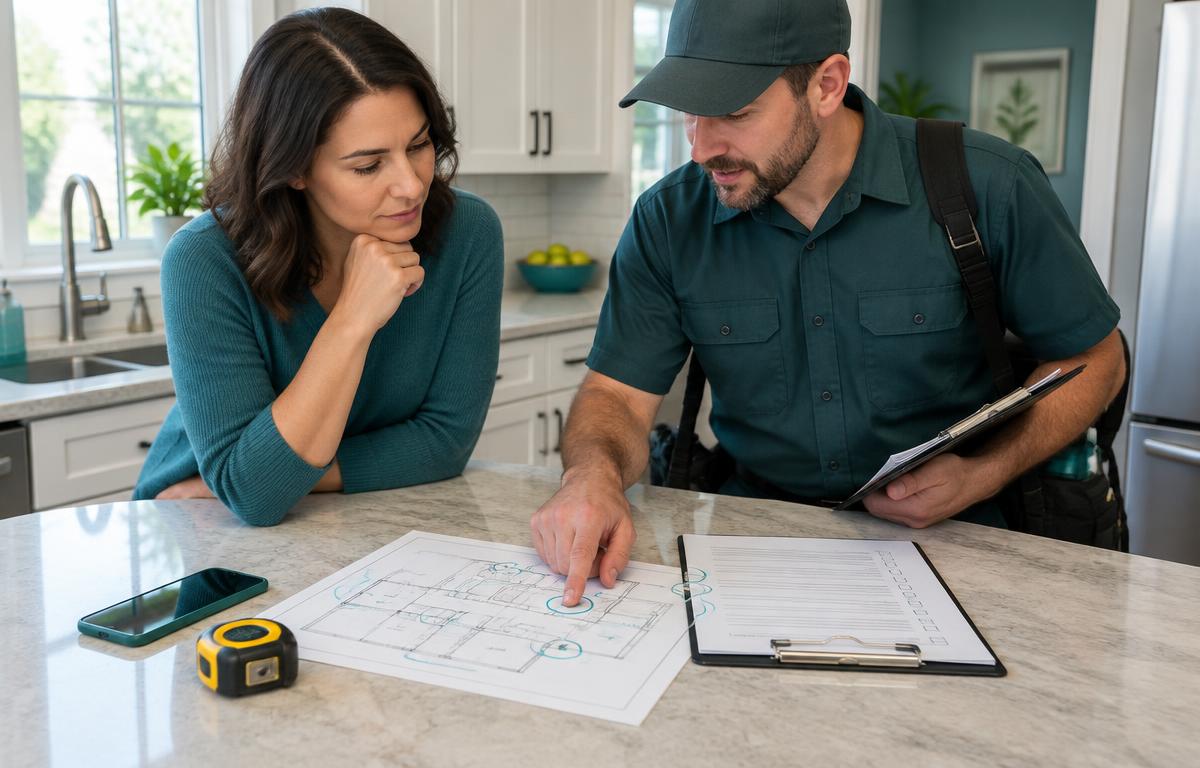
Fresh droppings, scratching sounds, gnaw marks, repeated sightings or activity in several rooms suggest the issue is already inside. In that case, prevention alone is unlikely to solve the full problem. A licensed professional can identify the pest, map entry points, explain exclusion options and recommend follow-up based on the property.
Before requesting quotes, take photos of the evidence and write down where and when you noticed it. That information helps route your request to companies that handle the specific pest, property type and urgency in your area.