
A useful pest-control quote should explain the problem, the proposed work and what happens after the first visit. Price matters, but the cheapest number is hard to compare if one company includes inspection and follow-up while another only quotes a single visit. These seven questions help homeowners compare companies fairly.
1. Are you licensed and insured for this work?
Pesticide applicator and business requirements vary by province or territory. Ask which licence applies to the work, who will attend the property and whether the company carries current insurance. A reputable company should be comfortable explaining this without making you feel difficult for asking.
Licensing does not guarantee the perfect outcome, but it shows the company is working within the rules that apply locally. Insurance matters because pest work can involve ladders, attic access, crawl spaces, shared buildings and sensitive indoor areas.
2. What evidence supports the identification?
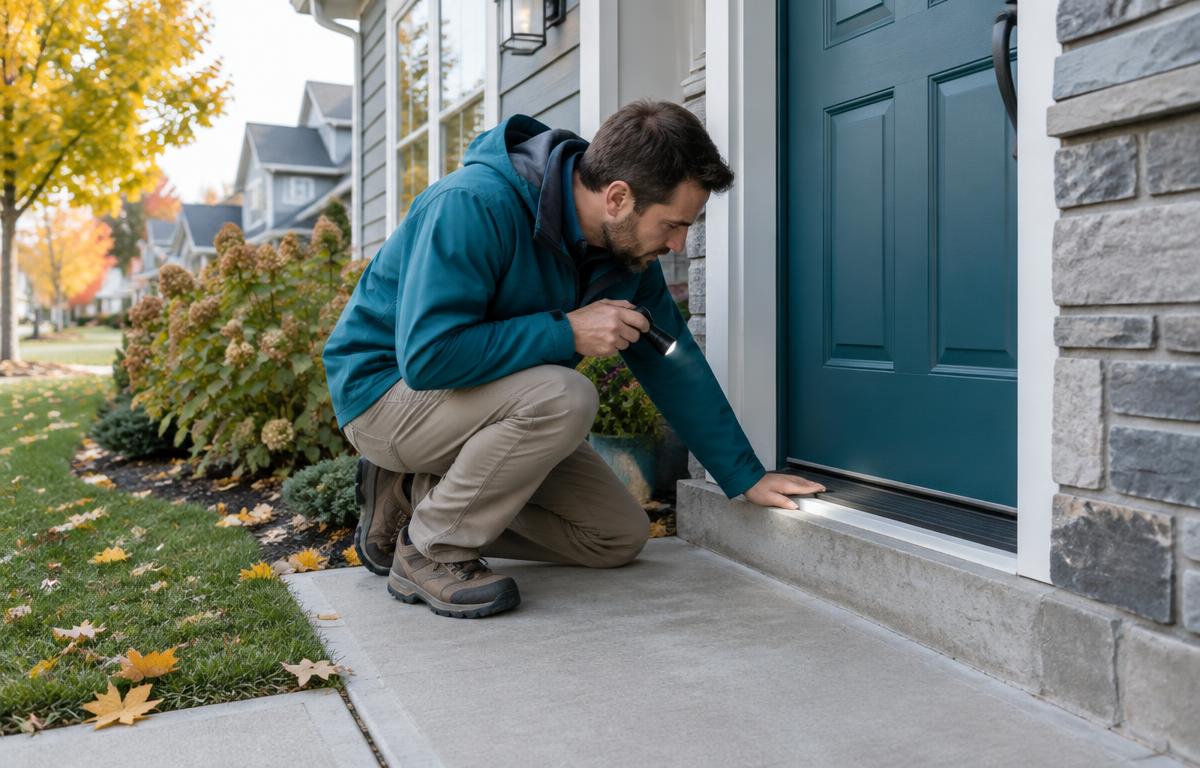
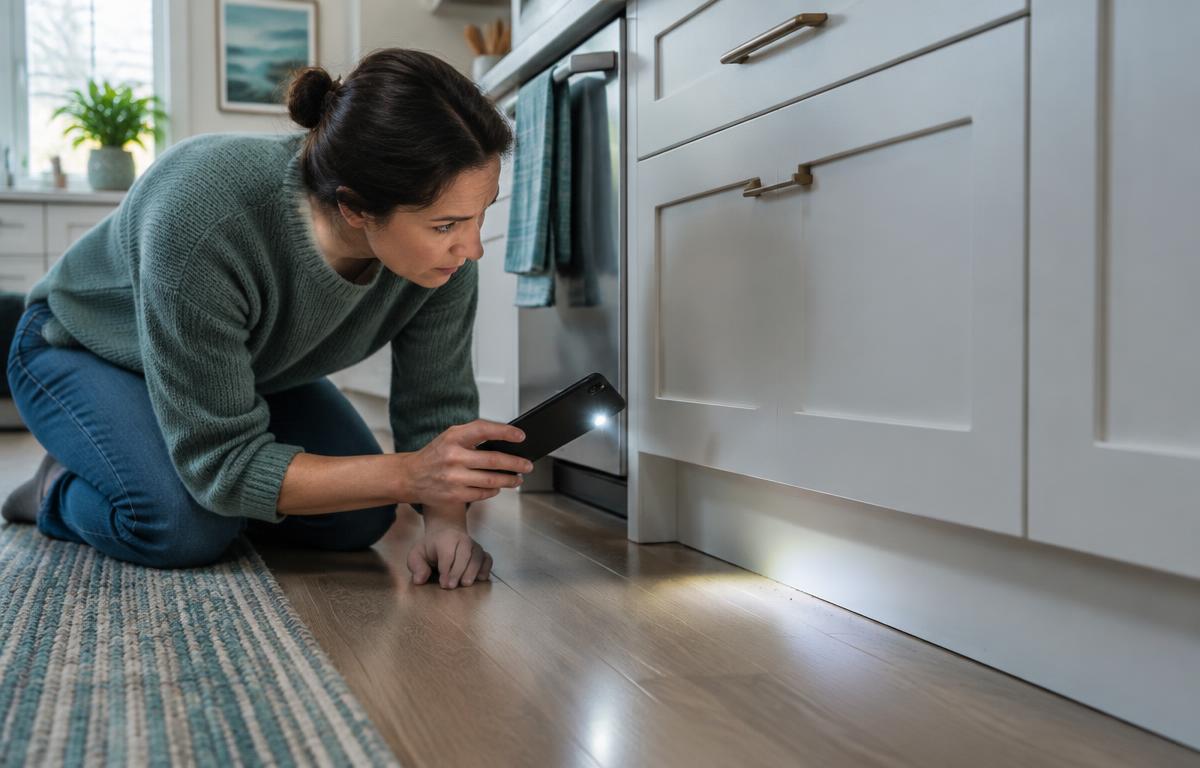
A professional should be able to explain what they found and why it points to a specific pest. That may include droppings, entry marks, harbourage areas, activity timing, damage, moisture conditions or photos from your request. If evidence is limited, they should say what remains uncertain and how they will confirm it during inspection.
This question is especially important for bed bugs, carpenter ants, cockroaches and rodents, where the wrong identification can lead to the wrong preparation or follow-up.
3. What exactly is included in the quote?
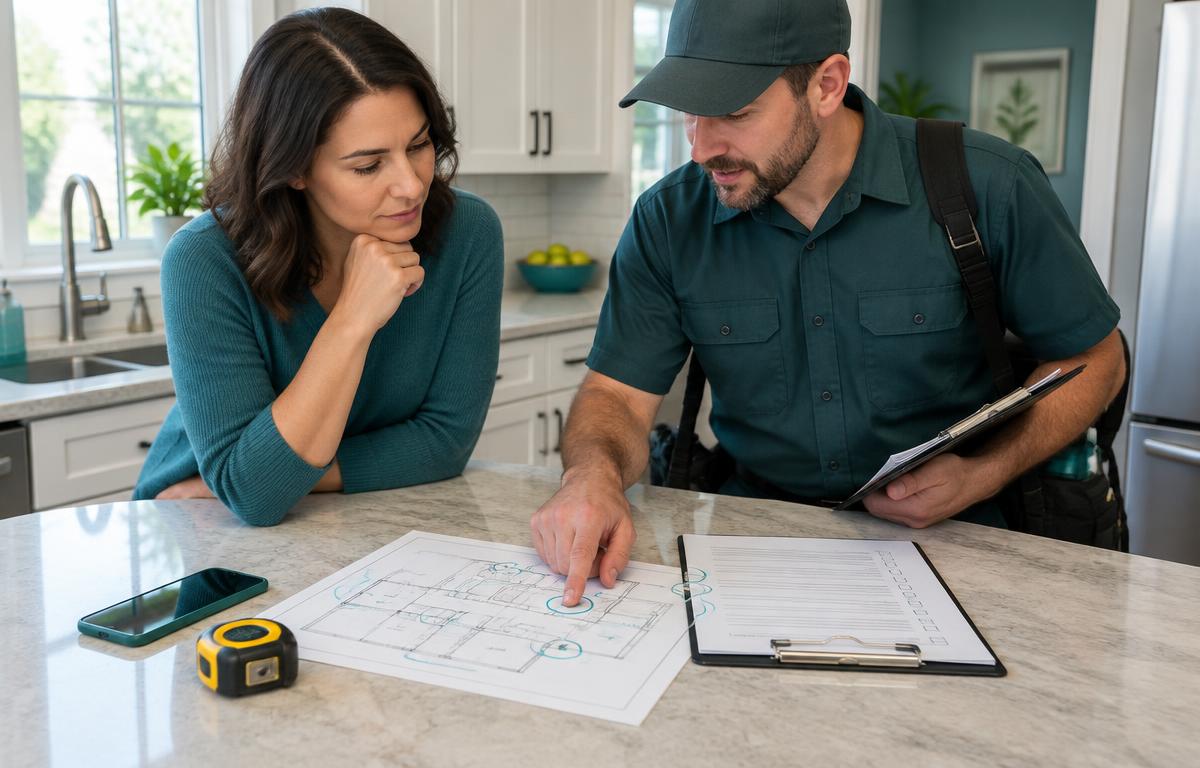
Ask whether the quote includes inspection, materials, labour, taxes, monitoring, written recommendations, follow-up visits and any warranty or guarantee. Confirm whether exclusion work, repairs, sanitation, wildlife-proofing or treatment of neighbouring units is included or separate.
For multi-unit housing or commercial spaces, also ask who coordinates access and whether adjacent units or connected spaces need assessment. The right scope may be more important than the lowest initial price.
- Number and expected timing of visits
- Rooms, exterior areas or units included in the service
- Preparation tasks required from you before the appointment
- What would change the price after the technician arrives
4. How should people and pets prepare and re-enter?
Tell the company about children, pregnancy, pets, aquariums, allergies, respiratory concerns and sensitive occupants before a plan is selected. Ask for written preparation and re-entry directions specific to the service. Do not rely on a generic checklist if your situation includes health concerns or unusual access limitations.
Good preparation protects people and makes the appointment more effective. It also prevents wasted visits when furniture, storage, appliances or affected rooms cannot be accessed.
5. What follow-up is expected?
Many pest problems are managed over more than one visit. Ask what activity should look like after the first appointment, when to call back, how monitoring works and whether follow-up is already scheduled. A company that explains the timeline is easier to judge than one that only promises instant results.
6. What prevention or repair work is needed?
Treatment without prevention can leave the same conditions in place. Ask what entry points, moisture issues, sanitation concerns or storage conditions should be corrected. Some companies provide exclusion or repair work; others document the issue so you can hire the right trade.
7. What does the guarantee actually cover?
Guarantees vary. Some cover a specific pest for a limited period, some require preparation or repairs, and some apply only to certain rooms or scheduled follow-ups. Ask for the terms in writing so you know what is covered before you choose a company.