Most pest problems are identified by a pattern, not by one blurry sighting. The room, time of day, type of damage, size of droppings, sound location and season all help narrow the possibilities. A careful record does not replace a professional inspection, but it makes the first conversation faster and much more accurate.
Record evidence before cleaning it away
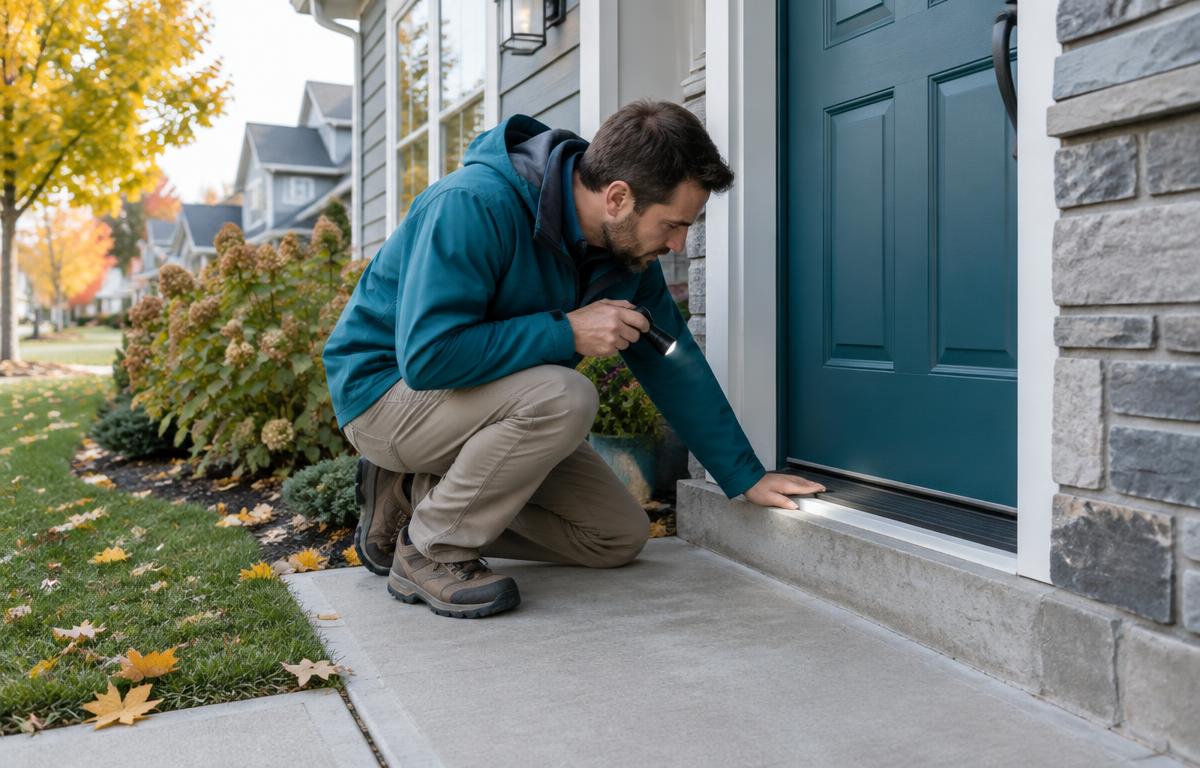
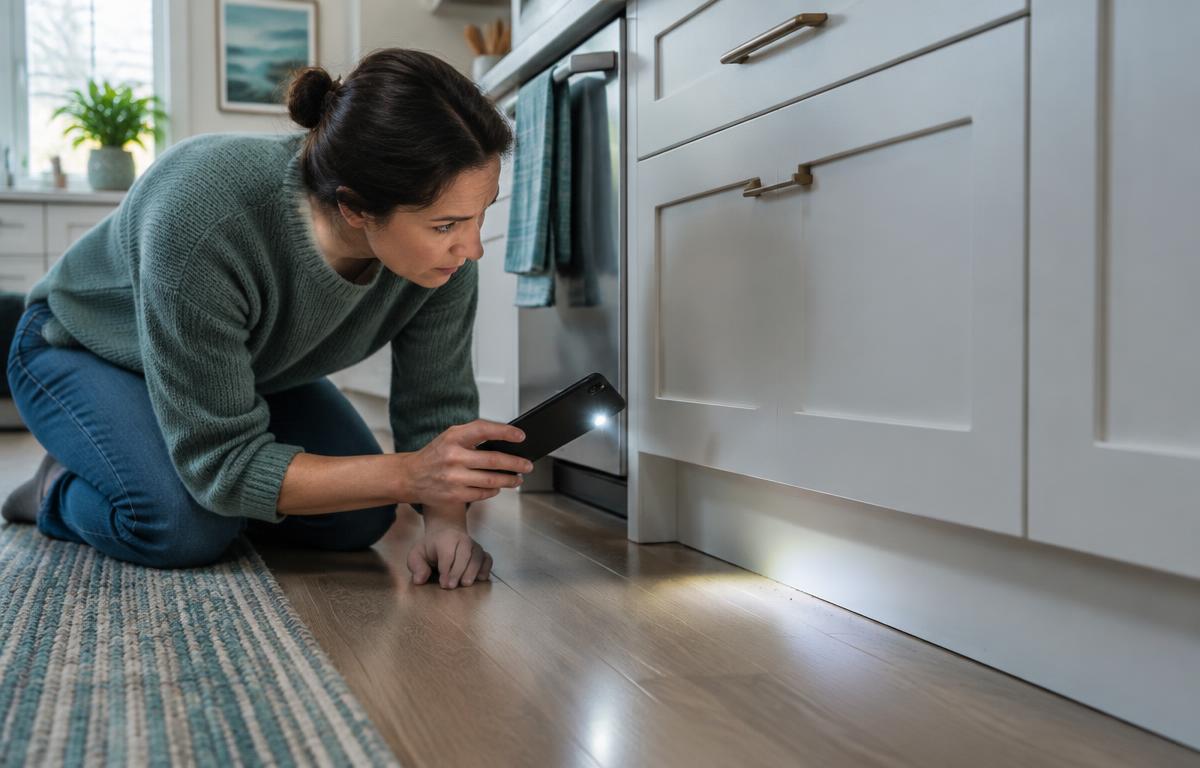
If it is safe to do so, photograph evidence before you clean. Use a coin, ruler or another familiar object for scale. Take one close photo and one wider photo that shows the location in the room. Avoid handling droppings, nests, shed skins or unknown insects with bare hands.
Write down the first date you noticed the issue and whether the evidence appears fresh. New droppings after cleaning, repeated sightings in the same area or sounds at the same time each night are more useful than a single isolated sign.
- Approximate size, shape and colour of the insect or droppings
- Movement: flying, crawling, jumping, scurrying or slow-moving
- Evidence: gnawing, webbing, grease marks, shed skins, staining, odour or damaged food packaging
- Timing: daytime, night, after rain, after travel, after deliveries or during seasonal changes
Use the room and material as clues
Location matters. Tiny insects around flour, cereal, pet food or spices point to a different problem than insects clustered around drains. Activity near beds is assessed differently from activity under sinks or inside utility rooms. Scratching in an attic differs from movement behind a stove or dishwasher.
Damage patterns also help. Gnawed food packaging and small dark droppings can suggest rodents. Mud tubes or damaged structural wood require a different inspection than small holes in stored fabrics. Bites alone are not enough to confirm bed bugs because many skin reactions look similar.
Compare similar pests carefully
Many pests are easy to misname. Carpenter ants and other large ants can look similar at a glance. Young rats may be confused with mice. Carpet beetle larvae may be mistaken for bed bug evidence. Small flies around a kitchen are often grouped together even though drain flies, fruit flies and fungus gnats have different sources.
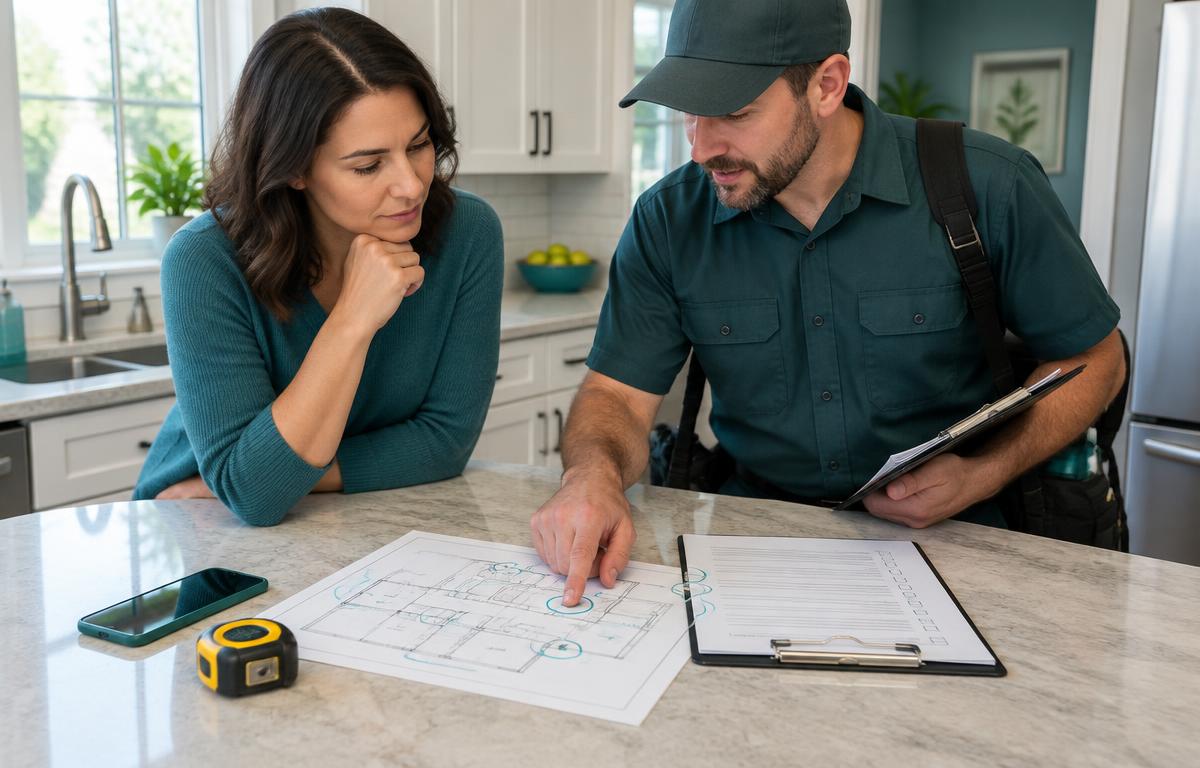
Instead of forcing a name too early, build a shortlist. A good quote request says, for example, 'small droppings behind the stove and scratching in the wall at night' rather than only 'rats.' The evidence helps a professional decide what to inspect first.
- Mice vs. rats: size of droppings, gnaw marks, travel paths and entry points matter
- Bed bugs vs. fleas: location, travel history, pet activity and physical evidence matter
- Carpenter ants vs. pavement ants: size, nesting signs, moisture and wood debris matter
- Drain flies vs. fruit flies: source location and breeding material matter
When the answer needs a professional
Call a professional sooner when you see repeated activity, evidence in more than one room, potential structural damage, pests in food-preparation areas, wildlife access, stinging insects near entrances or anything affecting vulnerable occupants. Identification is not just naming the pest; it determines preparation, safety instructions, follow-up and prevention.
If you upload photos through PestHelp, include both the pest or evidence and the surrounding area. A technician reviewing your request can often learn as much from the setting as from the close-up.