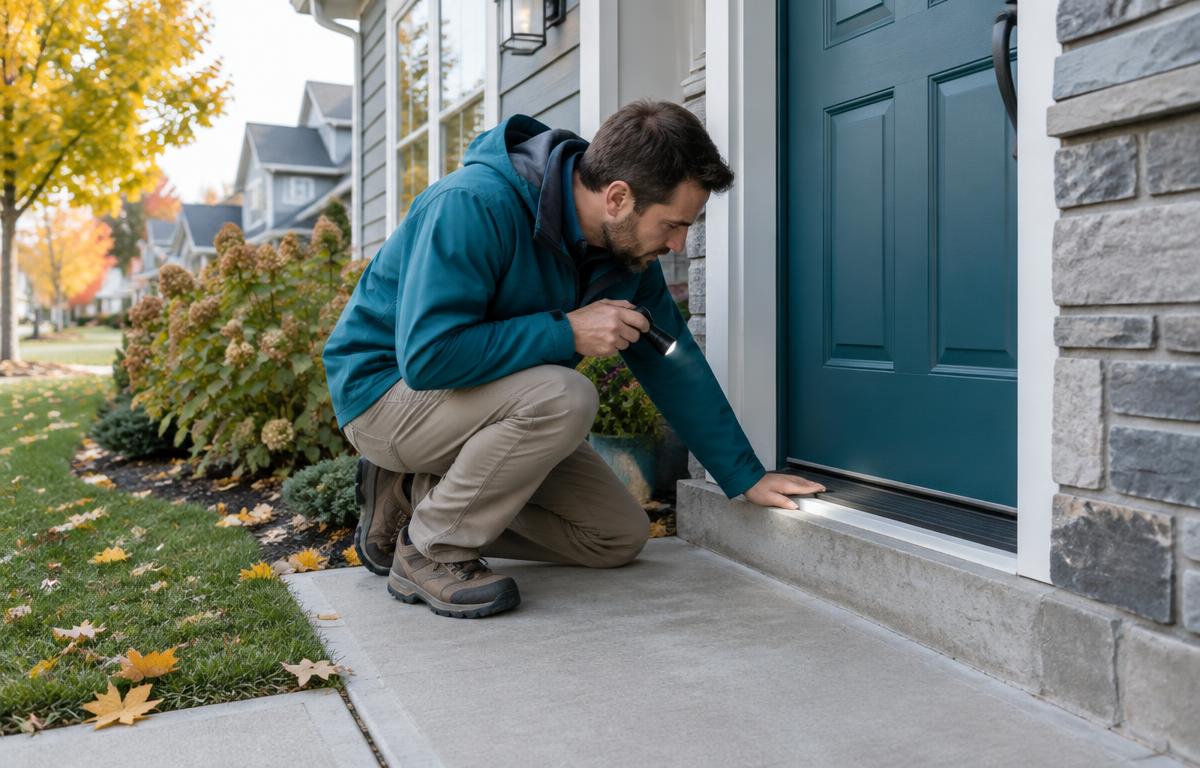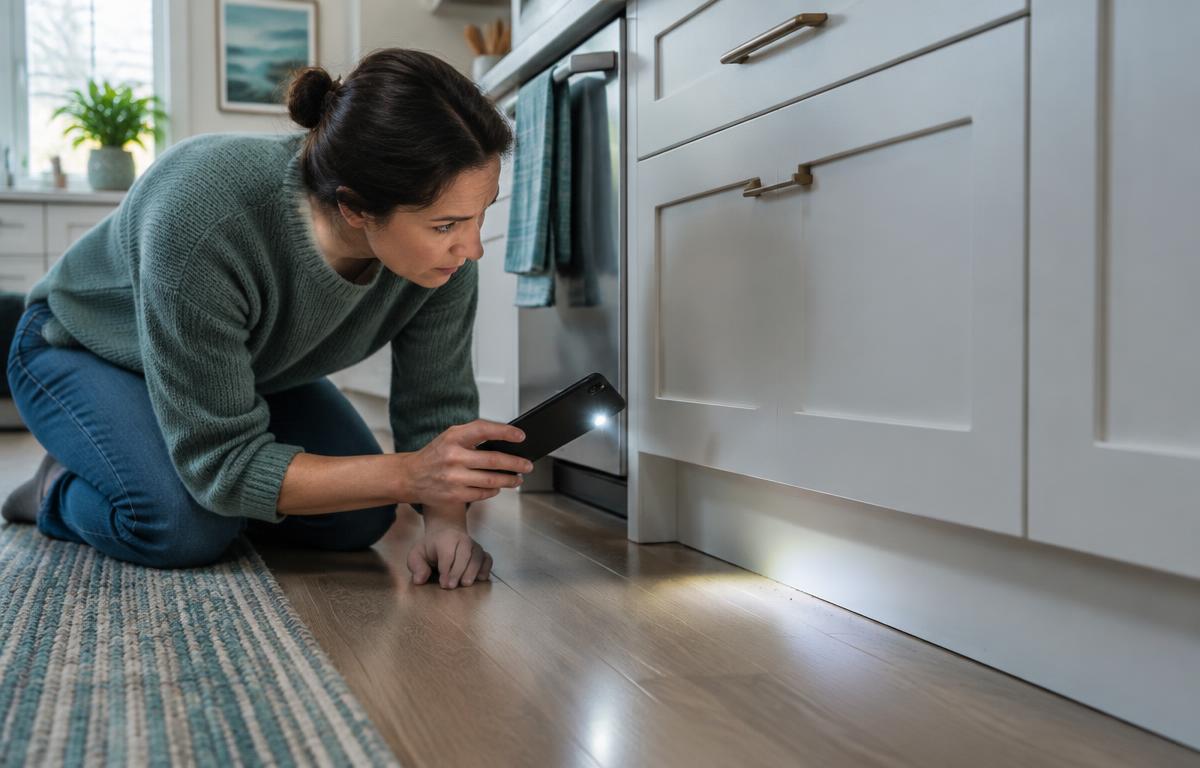
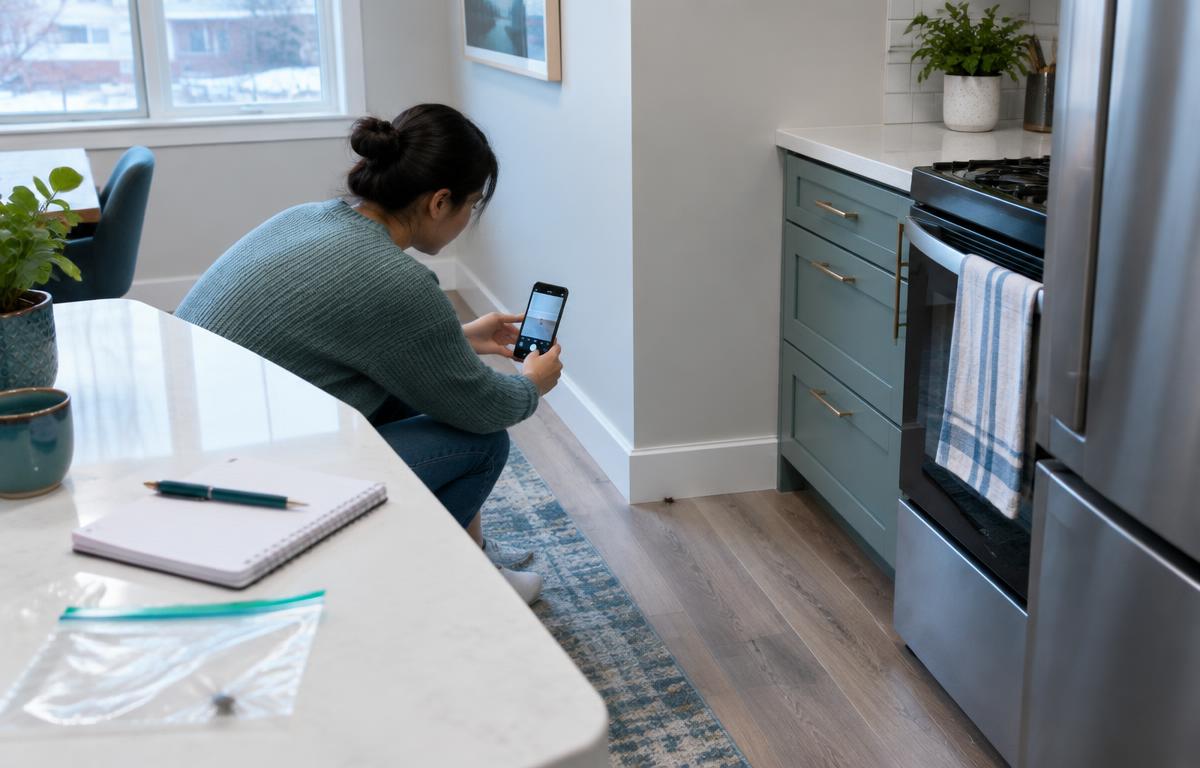
Pest problems in rentals are stressful because the person seeing the issue may not control repairs, neighbouring units or contractor access. A clear record helps tenants, landlords and property managers respond faster. It also reduces confusion about what was reported, when access was offered and what preparation was requested.
Start a simple timeline
Record the first date you noticed the issue, each place evidence appeared and every message or notice that follows. Keep the timeline factual. For example: 'September 10, saw two small insects in bathroom at 11 p.m.; September 12, found droppings under sink; September 13, emailed property manager with photos.'
A timeline is useful because pest activity can change after cleaning, travel, deliveries, neighbouring work or weather shifts. It also helps a professional understand whether activity is spreading or staying in one area.
- Date and time of each sighting or sign
- Room, exact location and whether the evidence was fresh
- Photos or videos with scale where possible
- Messages sent, replies received, notices of entry and appointment dates
Photograph evidence safely
Take a close photo and a wider room photo before cleaning if it is safe. Do not handle droppings, nests, unknown insects or contaminated materials with bare hands. If you capture an insect, follow the treating company's directions rather than improvising with unsafe storage or handling.
Avoid moving potentially affected belongings into another unit, hallway or shared laundry room. Moving items can spread the problem and make the source harder to understand.
Report the issue in writing
Tell the landlord or property manager what you observed, where it happened and when. Attach photos if you have them. Ask how the issue will be inspected, whether neighbouring units need assessment and what preparation will be required before anyone enters your unit.
Written reporting does not need to be confrontational. It creates a clear record and helps the person arranging service send the right information to the pest-control company.
Follow preparation directions carefully
Preparation varies by pest and by the selected service. Request written directions from the treating company or property manager. Ask questions if a step is unclear or difficult because of mobility, disability, shift work, children, pets, aquariums or health concerns.
Do not add your own pesticide products or combine products before the visit. That can disturb evidence, move pests into new areas or create avoidable exposure. If you already used a product, tell the technician what it was and where it was used.
Check local tenancy guidance
Residential tenancy rules are provincial and can change. PestHelp provides practical documentation guidance, not legal advice. If a dispute develops, consult your province or territory's official tenancy information or a qualified local advisor for current notice, access and responsibility rules.