Good preparation gives the technician access to evidence and reduces avoidable delays. The company's written instructions always take priority because requirements differ by pest, property type and service plan. Use this guide as a practical starting point before your appointment is confirmed.
Before the appointment
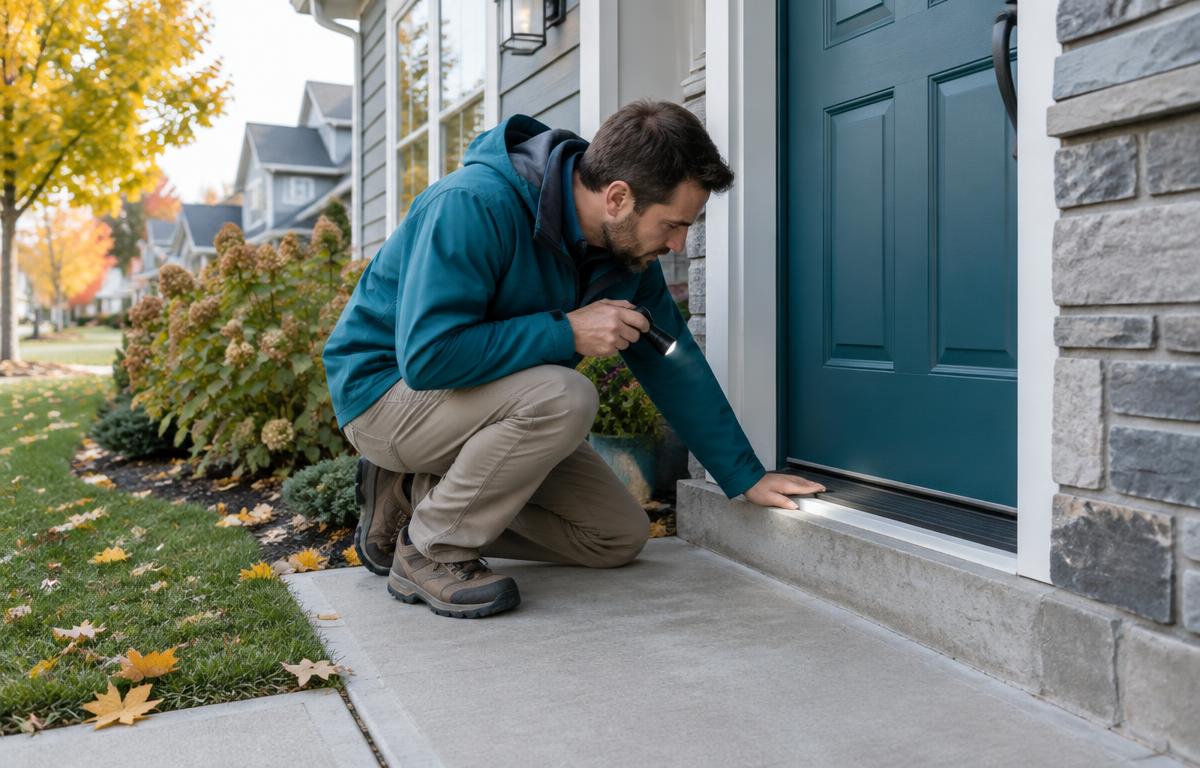
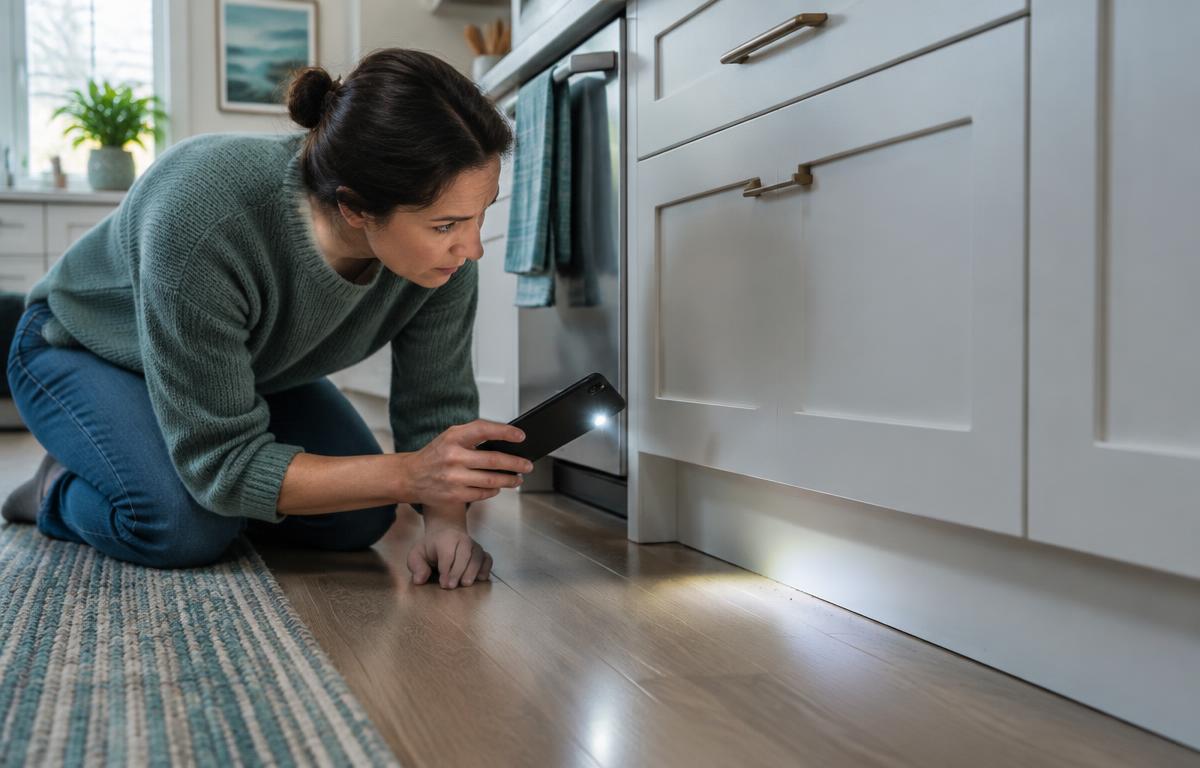
Keep photos, videos and a short timeline ready. Avoid deep-cleaning away every sign immediately before an inspection unless there is a health concern. A technician may need to see droppings, damage, shed skins, trails, harbourage areas or entry points to confirm the pest and recommend the right plan.
Clear safe access to affected walls, cupboards, utility spaces, furniture and appliances as directed. You do not need to empty your entire home unless the company specifically asks for it. Focus on the rooms and areas discussed during scheduling.
- List every room where activity occurred
- Note the first date noticed and whether the activity is increasing
- Mention travel, deliveries, second-hand furniture or renovations
- Identify leaks, damp areas, damaged screens or visible exterior gaps
Tell the company about occupants and constraints
Before treatment is selected, disclose children, pregnancy, pets, aquariums, allergies, respiratory concerns, mobility limitations and anyone who may have difficulty leaving or preparing the property. This helps the company choose instructions that fit the household.
If you live in a condo, apartment, townhouse or rental, ask whether building access, parking, elevator booking, neighbouring units or property manager approval is required.
Prepare pets and sensitive items
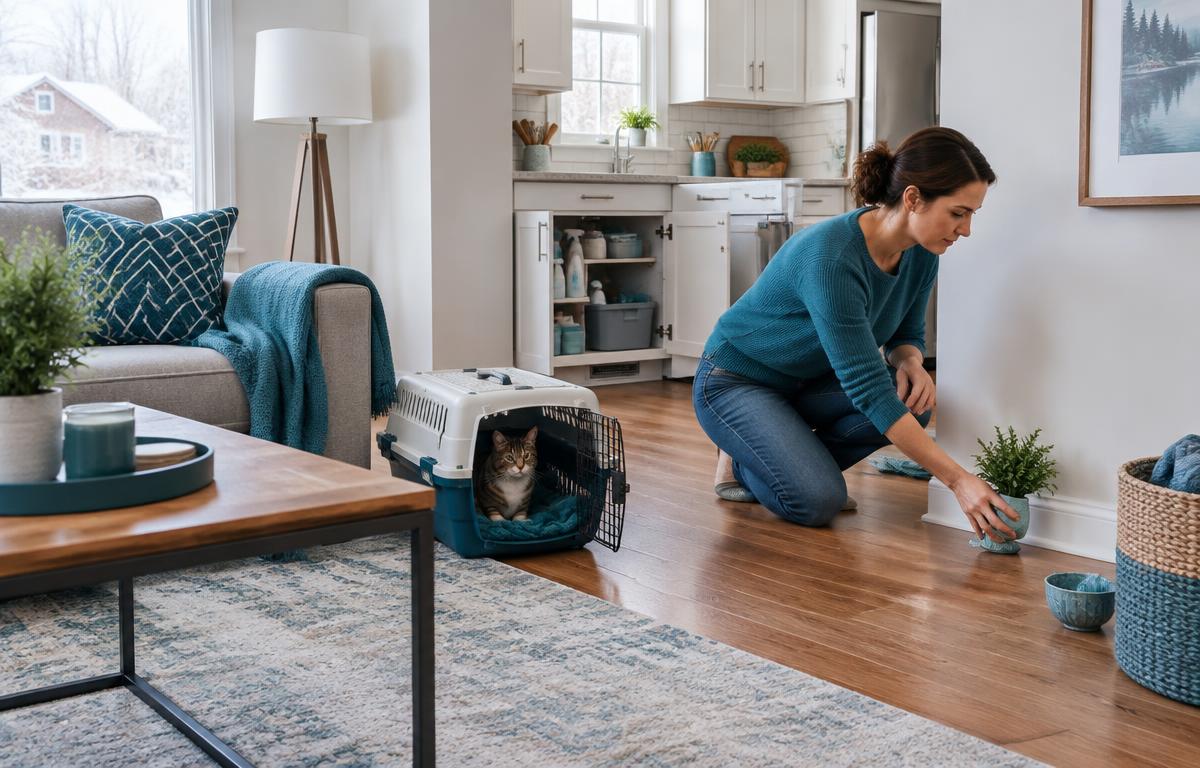
Follow the company's written directions for pets, pet bedding, food bowls, aquariums, terrariums and service animals. Ask where pets should be during the appointment and when they can return. Do not assume every service has the same re-entry timing.
Put away children's toys, food-contact items and personal items only as instructed. Over-packing can make inspection harder if evidence is hidden inside bags or moved to another room.
Do not improvise treatment before the visit
Avoid adding extra products, mixing products or applying products in new areas before the technician arrives. This can disturb pest activity, interfere with inspection and create unnecessary exposure. If you already used a product, keep the label or name available and tell the company.
The safest preparation is usually documentation, access and clear communication—not guessing at treatment. PestHelp avoids giving pesticide application instructions because labels, licensing and property conditions matter.
After the visit
Keep the service report, preparation sheet and any follow-up instructions. Note changes in activity without assuming the problem is solved or failed after one day. Some services require monitoring, scheduled follow-up or repair work before the result is clear.
Contact the company if activity appears in a new area, if you cannot complete a recommended repair or if the observed pattern differs from what they told you to expect.